

How Has Animal Farming Affected The Environment
Animal Agriculture and Climate Change
Patrick Poendl/istock
Overview
Scientific consensus shows that animal agriculture is responsible for 14.5-16.five% of global greenhouse gas emissions and causes significant environmental degradation, from biodiversity loss to deforestation. Shifting to a plant-rich diet is one of the most effective climate-mitigation measures and provides multiple benefits from health and environmental perspectives.
Building a sustainable and resilient future for all requires comprehensive policy reform, financial incentives, and widespread collaboration among policymakers, financial institutions, businesses, communities and other stakeholders of the global food arrangement. It is also critically of import for each of u.s.a. to take action where we can, since we are all in this together!
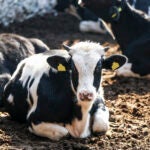
88 billion+
Land animals are bred, reared and slaughtered for nutrient globally each year
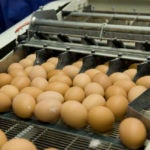
14.5% – xvi.5%
Percent of man-caused greenhouse gas emissions from animal agriculture (similar to the emissions from all global transportation)
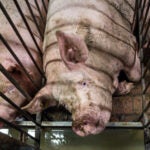
x years
By 2030, the livestock sector is projected to business relationship for nigh half of the globe's emissions upkeep for 1.5C unless things change
The issue
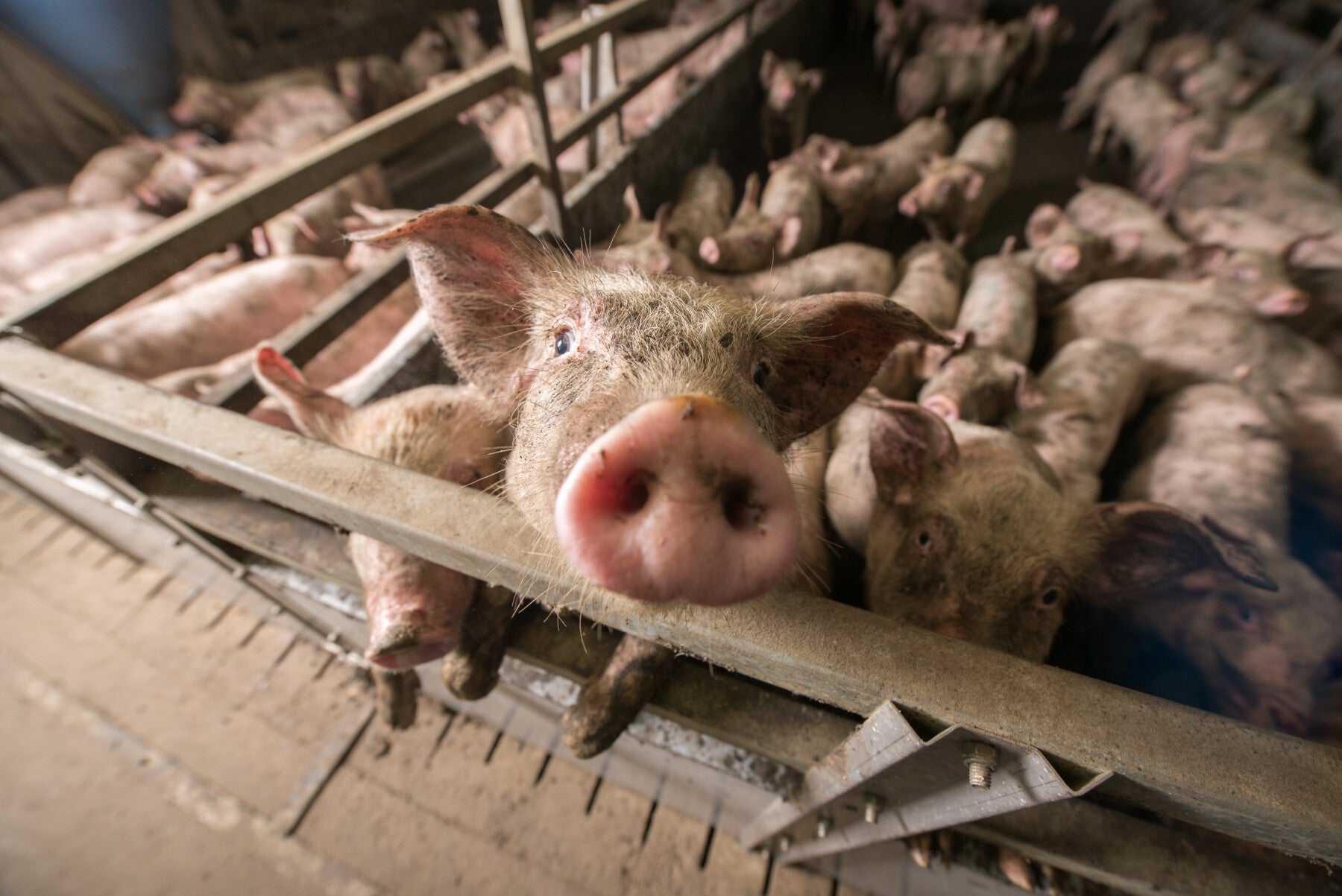
The impacts of the energy, fossil fuel and transportation industries currently boss climate mitigation discussions among global leaders, while animal agriculture, one of the leading contributors to climate change, is sidelined from discussions at best and ignored at worst. Transforming our nutrient production systems and consumption habits are undeniable solutions that must be part of the global roadmap to addressing climate alter. That is why HSI is urging the Un Framework Convention on Climate Modify and other world leaders to formally recognize animal agronomics equally a key contributor to climatic change and commit to developing and investing in mitigation strategies to back up and drive a only transition towards more plant-centric nutrient systems.
Facts well-nigh animal agronomics and climate alter:
- Shifting subsidies and fiscal incentives from industrialized livestock production to more than sustainable plant-based agriculture would support a simply transition in the agronomics sector.
- Encouraging investment in alternatives to creature agriculture and creating a supportive regulatory environs for innovation and growth in plant-based alternatives would help facilitate positive changes.
- Amended regime procurement priorities could lower greenhouse gases in the public sector by decreasing animal-based food procurement and increasing procurement of establish-based foods.
- Policies operating across the food system, including policies that influence dietary choices, would allow for more sustainable country-use management, result in greater nutrient security and low emissions trajectories, contribute to climatic change accommodation and mitigation, and improve public health.
- Experts found that dietary shifts could contribute upwards to ane-fifth of the mitigation needed to hold warming below 2°C.
- Policies that encourage dietary changes towards more plant-centric diets would also benefit the economy. A joint written report by the International Labour Organisation and the Inter-American Evolution Bank revealed that a transition to a net-zero emission economy in Latin America and the Caribbean, driven primarily by a transition from meat-heavy diets to more constitute-based diets, would result in the cyberspace cosmos of 15 million more jobs in the region than under a business-as-usual scenario and would reduce the region's agronomical GHG emissions.
Our piece of work in action

More you can do
1. Reduce your consumption of animal products.
2. Learn about four ways to EatKind.
Make a difference
Get the latest news and most urgent calls to action by signing upward to receive electronic mail alerts.
Source: https://www.hsi.org/issues/climate-change/
Posted by: rainescouse1972.blogspot.com
0 Response to "How Has Animal Farming Affected The Environment"
Post a Comment